The Future of
Modular Power
Infrastructure
The Infrastructure Conflict
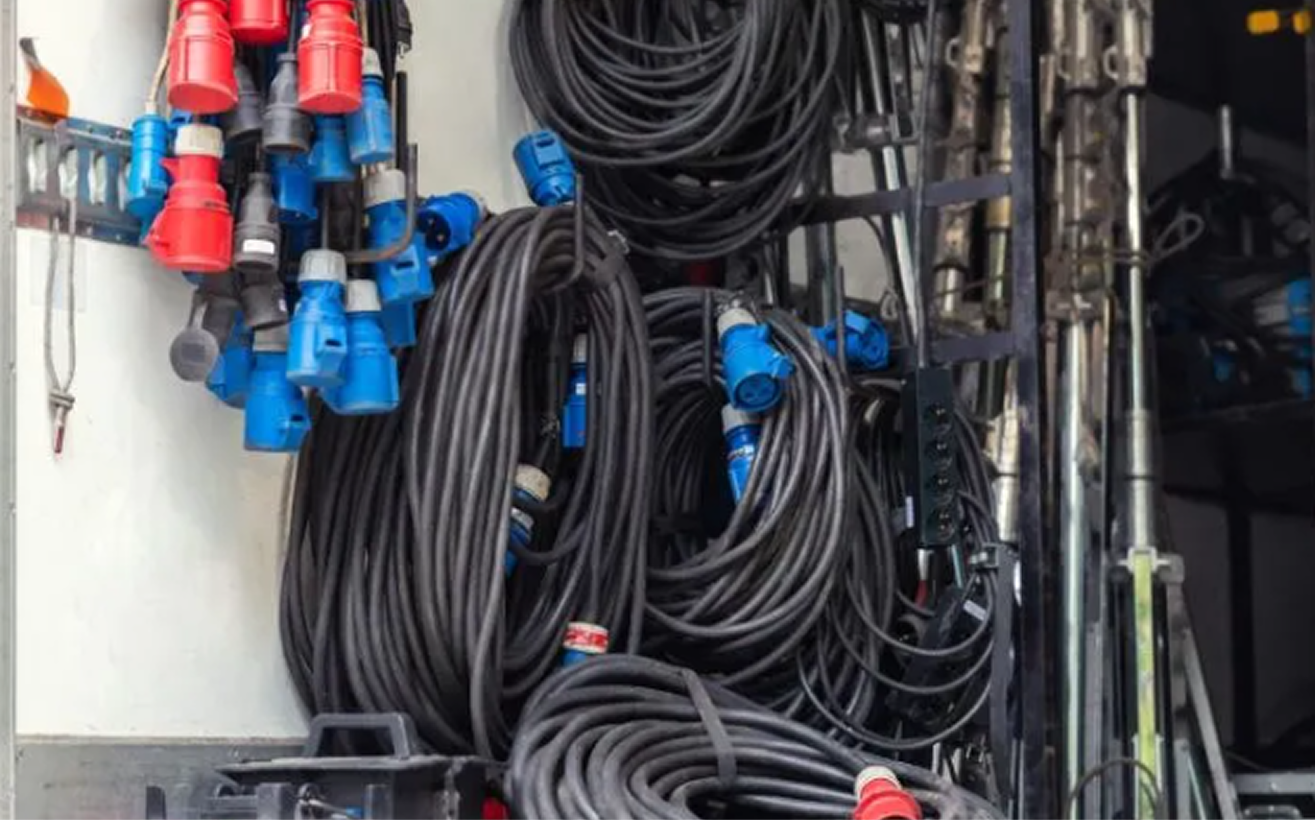
Cable Clutter
Redundant wiring accounts for 40% of hardware failure in enterprise environments.
Hybrid Space
Fixed outlets cannot keep pace with reconfigurable office layouts and hot-desking.
Accessible Power
Traditional AC distribution lacks the granularity needed for high-density mobile tech.
Meeting Connectivity
Collaborative zones suffer from 'port anxiety' and legacy interface friction.
Rethinking Power & Connectivity
The transition to hybrid work environments has exposed the limitations of traditional, fixed power infrastructure. What was once a minor inconvenience—tangled cords, limited outlets, and inflexible room layouts—has become a critical bottleneck for productivity and safety. This article explores how redefining power delivery through modularity can resolve these enterprise friction points.
By moving away from static hardwiring toward intelligent, adaptable nodes, organizations can eliminate cable clutter, reduce hardware failure rates, and create spaces that evolve dynamically with their teams. The future of the office demands infrastructure that is as agile as the people using it.

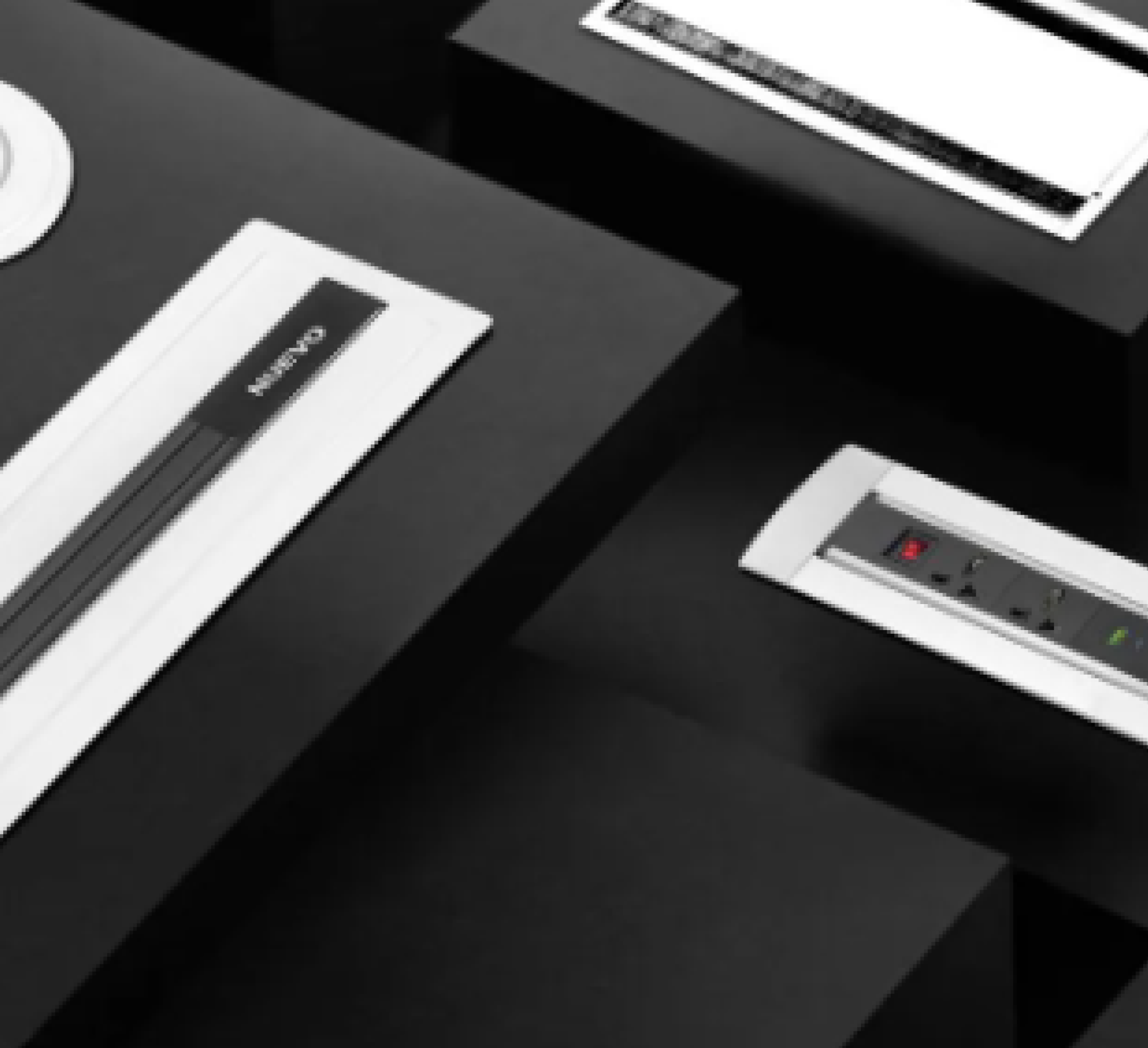
At the core of the new power paradigm is modular architecture. Unlike legacy systems that require invasive construction to alter, modular power grids utilize plug-and-play components. This allows facility managers to seamlessly add, remove, or relocate power hubs without specialized electrical work, ensuring that every desk, meeting pod, or collaborative lounge is fully equipped.
Dynamic Load Balancing
Modern power infrastructure does more than just deliver electricity; it actively manages it. Intelligent distribution systems monitor energy draw across the network, automatically routing power where it is needed most and preventing circuit overloads during peak usage times in high-density zones.
Integrated Connectivity
Power and data are no longer separate utilities. Next-generation hubs integrate high-speed USB-C PD, standard AC, and robust data uplinks into a single, sleek interface. This convergence drastically reduces the number of cables required per workstation, directly addressing the 'port anxiety' common in collaborative zones.
Real-time Analytics
By embedding smart sensors within the power grid, organizations gain unprecedented visibility into space utilization and energy consumption. This data empowers facility teams to optimize layouts, reduce phantom power draw, and align their infrastructure with actual workforce behavior.
Safety remains paramount in high-density tech environments. Modular systems incorporate advanced, granular surge suppression and thermal monitoring at every node. By isolating faults locally, these systems protect expensive enterprise hardware from systemic power anomalies and significantly reduce the risk of fire hazards associated with traditional daisy-chained power strips.
The shift to modular power is not just an operational upgrade; it is a sustainable investment. By enabling targeted upgrades rather than full system rip-and-replaces, organizations dramatically cut down on e-waste. Furthermore, the inherent flexibility of these systems extends the lifecycle of office layouts, delivering a measurable return on investment through reduced renovation costs and optimized energy use.